Work
Piano in the Woods: Three Dialogues of the Four Seasons
森林鋼琴 四季三問
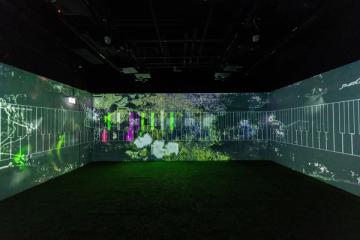
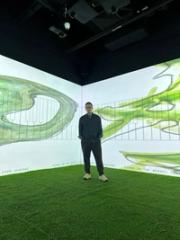
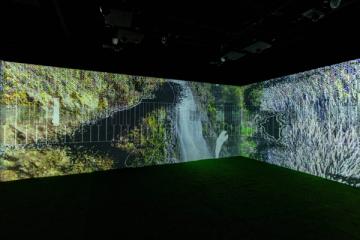
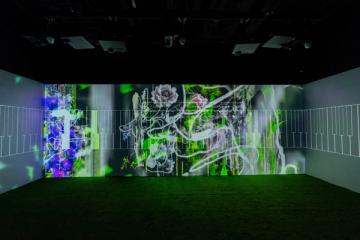
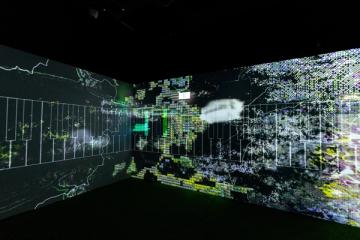
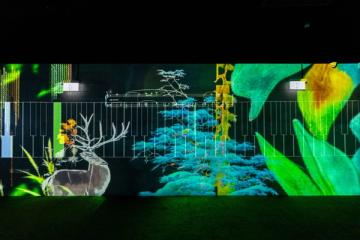
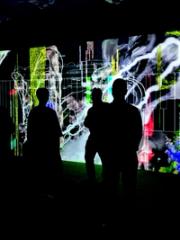
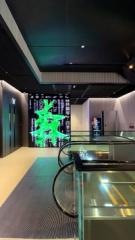
四面牆,每一面牆皆來自一個森林的記憶,春天的紐西蘭,夏天的香港,秋天的奧地利,冬天的屋久島。橫跨東西南北半球的四季,匯聚在斗室裏面的體驗。
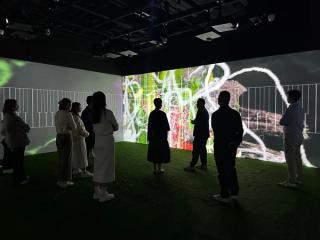
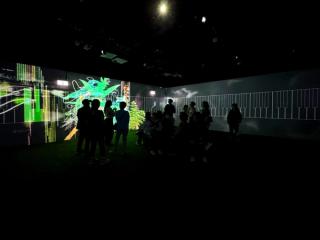
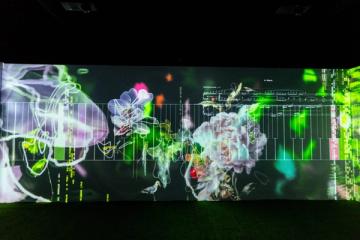
進入房間會看見一個360度的鋼琴,觀眾可以自由彈奏,地面鋪有松針,重現森林的觸感和氣味。這是一個集視覺、音樂、觸覺和氣味的多感體驗。
以音樂代替文字,以三段和大自然的對談,在城市中建構你的森林。作品的副題是,四季三問。加起來就是12種變化,12代表自然界的周期,一年有12個月,時鐘有12小時,一天有12時辰。
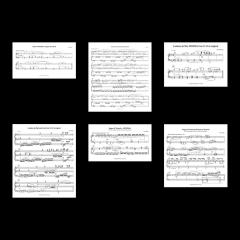
三段問答,改編自作曲家 Lewis Chung 的三首鋼琴學曲,〈Sogno Venezia〉, 〈Lumiere Mer〉, 〈Chikara Gates〉
「從記憶到真實 is this the REAL LIFE? is this just MEMORY? 」
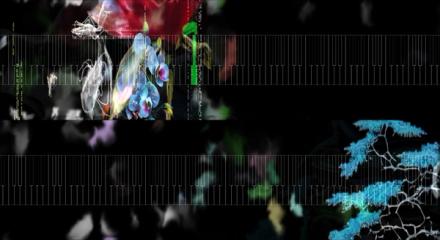
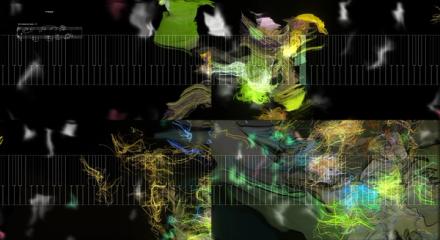
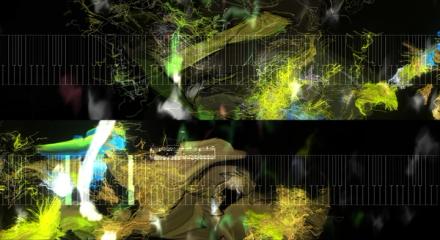
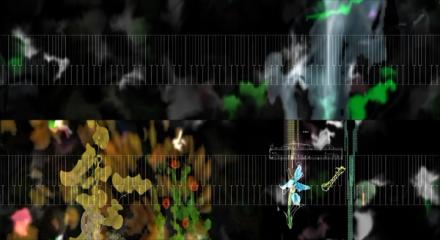
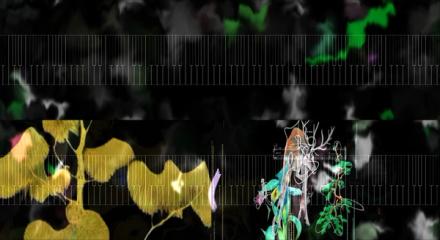
第一問關於城市的裂痕、植物的根和霧霞。 這裏的視覺語言是平面視覺 ,植物的根由琴鍵生出來,琴鍵本身也是木頭,有趣的是跟和裂痕很相似。另外琴鍵也會釋放迷霧一樣的油畫效果,這些視覺都是實時生成,可變,但不可預測。
「從鴨寮街到奧克蘭
從黃竹街到黃竹坑
從楓樹街到維也納
從北河街到屋久島」
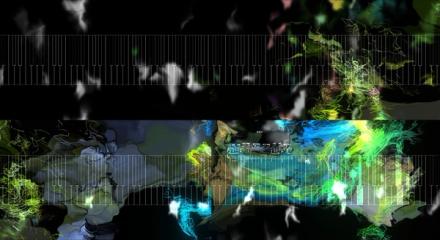
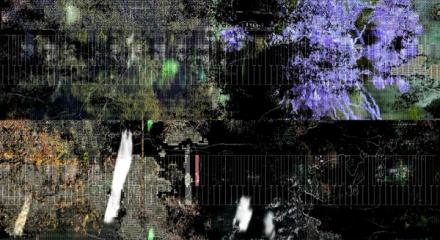
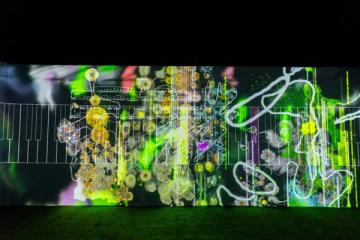
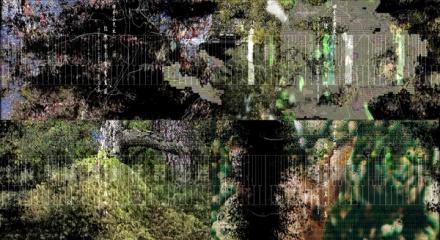
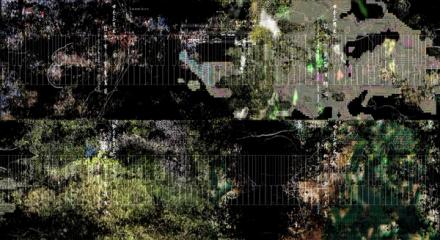
第二問關於地圖、島嶼、波浪、照片和電子遊戲。 這段的視覺語言是像素和照片,四個森林其中三處也是島嶼,琴鍵會產生水一樣的波紋,衝擊這些島嶼,喚起漣漪一樣的記憶。8bit像素效果是我小時在深水埗電腦商場的記憶。 這裏有100張在這四個森林拍下的照片,他們會以一種名為 dithering 的圖像處理效果消退,因為 dithering 之中只有一和零,所以只有記得和忘記,沒有中間,我覺得和人類的記憶很相似。
「隨風 Any way the wind blows」
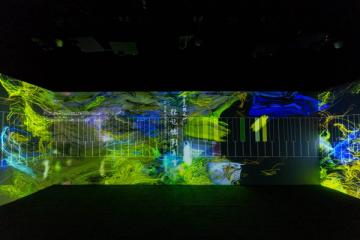
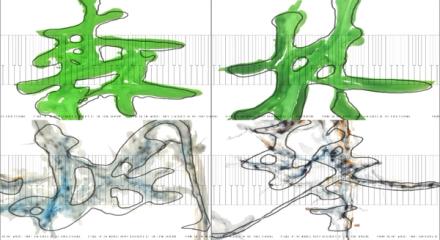
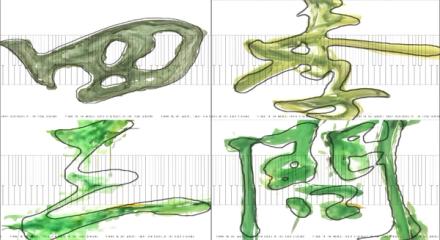
第三問關於書法、人工智能、和從天而降的破碎文字。
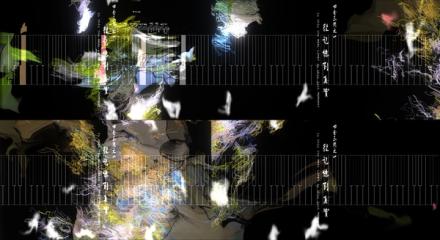
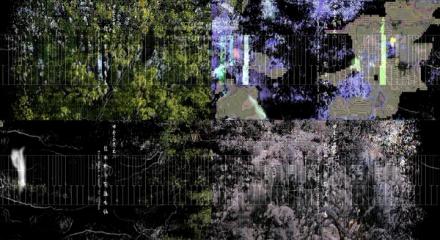
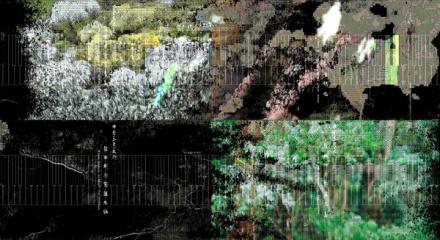
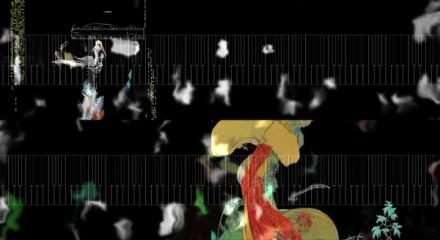
我把鋼琴鍵盤化身打字鍵盤,想像每一個琴鍵也對應一個文字,而這些文字都是在森林裏面找到的東西。當琴鍵被敲響,對應的東西便會創造出來。每一個森林都有30個字,這些字都會以中國書法寫出及錄影,然後經過人工智能圖像化。你會看到很多植物會從無到有生長出來,而這些動態就是來自中國書法。從天而降的破碎文字代表雨水、落葉和一切落在大地上的東西,森林不會選擇你給他什麼,你給它什麼就會長出什麼。
「我經常透過觀眾的互動,去探索音樂和視覺藝術的邊界。不只單單把音樂轉化為生長的樹,我想把音樂變成一種對話方式,想像你把秘密告訴森林,然後森林會回應,也不會告訴其他人。森林是治療,森林是生命。這個體驗靈感來自王家衛的一個電影情節,梁朝偉在《花樣年華》中對着一個樹窿說了一個秘密。寂寞的時候,我們仍然可以跟樹聊天。」- 朱力行
製作團隊:
視覺、程式編寫:朱力行
音樂:鍾煦捷
書法:蔡茗森,朱力行
制作:pill & pillow
攝影:朱力行,顧佳露
主辦機構: 香港設計中心
場地支持: DX設計館
主要贊助機構: 文創產業發展處
創作伙伴: Art-Partners 藝盟
場地伙伴: 市區重建局
支持畫廊: 方由
PIANO IN THE WOODS: THREE DIALOGUES OF THE FOUR SEASONS
Four walls, each represents a forest and a season: New Zealand in the Spring; Hong Kong in the Summer; Austria in the Autumn; and Yakushima in the Winter. The convergence of nature, music, and technology actualises in this installation that explores how we encode and recall memory.
This installation features an interactive 360 degree piano in a room lined with fresh pine needles. Twelve variations of three dialogic visuals carry visitors through this multi-sensory journey, symbolising the 12 months, and 12 hours of nature’s cycles.
The three dialogues are communicated through piano scores by composer Lewis Chung — “Sogno Venezia”, “Lumiere Mer”, and “Chikara Gates”.
‘From memory to reality: Is this the REAL LIFE? Is this just MEMORY?’
The first dialogue explores the transitory nature of memory through ethereal visual language. Upon activation, roots sprout from each piano key like a tree growing root, eager to anchor itself in the earth. A misty haze generated in real time appears alongside the roots, creating an unpredictable and ever-changing composition that likens a plant’s vascular system to urban fractures of a city.
‘From Apliu Street to Auckland,
From Wong Chuk Street to Wong Chuk Hang,
From Maple Street to Vienna,
From Pei Ho Street to Yakushima’
The second dialogue explores place memory and how we reconstruct them into tangible narratives. This dialogue is communicated through digital language; creating visual responses through pixels and 8bit digital imageries that echoes memories of childhood spent in computer arcades in Sham Shui Po. These pixelated images compress 100 photographs taken from the four forests; they appear and dissipate through a image processing effect: dithering that speaks to the binary nature of human memory.
‘Any way the wind blows’
The third dialogue explores bioculture, exploring the intrinsic relationship between human culture and our ecosystems. Piano keys are transformed into a typing keyboard, with each key corresponding to a written character that appears upon activation. These hand-written calligraphic characters were transformed through AI into pictographic words that sprout like plants from dirt. Concurrently, scattered characters descend like rain and all that falls upon the earth, completing the nature’s cycle.
‘I continuously explore the boundaries between music and visual art through interactive experiences with people. Rather than simply transforming music into generative landscapes, I aim to create a dialogue where music becomes a means of communication.
your secrets with the forest, and in return, the forest speaks back. The forest symbolizes healing and life. This experience is partly inspired by a scene from Wong Kar-Wai’s In the Mood for Love,
where the act of confiding in nature evokes a sense of connection, even in moments of solitude.’ — Henry Chu
Credits:
Visuals & Programming: Henry Chu
Music: Lewis Chung
Calligraphy: Vincent Tsoi, Henry Chu
Production: pill & pillow
Photography: Henry Chu, Carol Koo
Organiser: Hong Kong Design Centre
Venue Support: DX Design Hub
Lead Support: CCIDAHK
Creative Partner: Art-Partners
Venue Partner: Urban Renewal Authority
Supporting Gallery: Ora-Ora
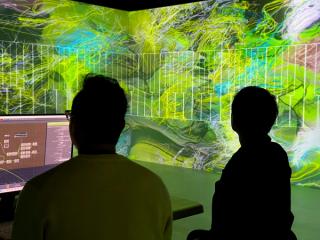
音樂的部份也有互動的效果。每首歌來說,Lewis根據現有的旋律 (motif) ,寫了六個變化 (variation),每次對答都會隨機播放其中一個變化,每個變化再隨機轉換一個key (12 個音) 和 scale (由黑暗到鮮明分別是 Lydian, Major, Mixolydian, Dorian, Minor, Phrygian 和 Locrian ),根據觀眾彈的音調,音樂也會隨之升降。基本上每首歌就有 6 x 12 x 7 = 504種變化。在這音軌之上我還加入了森林的錄音,所以在鋼琴聲之外還有鳥的叫聲。
以下是每個季節的文字,都是和該地點和季節有關。
春天 紐西蘭
櫻桃藤梨雲 霧生土圭羊 沼花芍藥蘭 桃李瓊草園 影茂淵樾燕 信天翁驚蟄
夏天 香港
楊柳杜鵑蕨 榕雨盛石水 涓天日牡丹 蓮荼蘼竹藤 橋亭堂臺軒 徑坊蝶芒種
秋天 奧地利
銀杏樟菊楓 風嵐落山湖 漪梅茉莉叢 榭喬森桐樅 栝苔蘚蔭池 貓雕鴞白露
冬天 日本屋久島
梅茶紫荊杉 霜雪隱洞流 泉嵐木林松 柏檜株梓葛 桑菖蒲幽鹿 猴蛙龜冬至
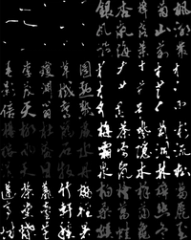
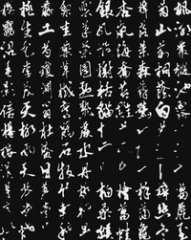
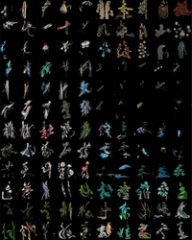
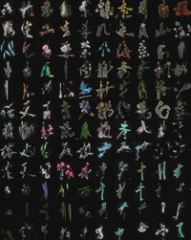

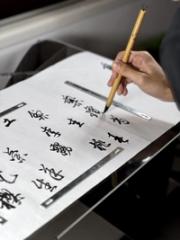
書法部份由我的朋友 Vincent 幫忙,他的筆風十分秀麗。我們把每一個字錄影後,便以實時人工智能 (Stream diffusion)轉化為那些文字的形態,和加上該地點的風格。以下是每一個森林的 prompt
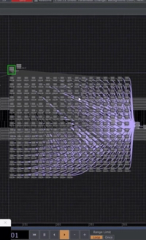
紐西蘭是19世紀英倫油畫風,香港是模仿嶺南派,奧地利是 Gustav Klimt 的風格,日本是浮世繪。
All Works
Contact
- Email[email protected]
- IGhenryc.hu